Transform Your Car: Everything You Need to Know About Vehicle Stereo Installation
Modernizing a car stereo can considerably elevate the experience behind the wheel. Improved sound quality and modern features, such as wireless Bluetooth integration, are compelling reasons for numerous drivers. However, choosing the appropriate stereo unit and verifying it suits the vehicle's design can be challenging. Additionally, accurate installation is necessary to avoid common pitfalls. Comprehending these critical components can enhance both the acoustic performance and the general pleasure of driving. What measures should be followed to complete this improvement?
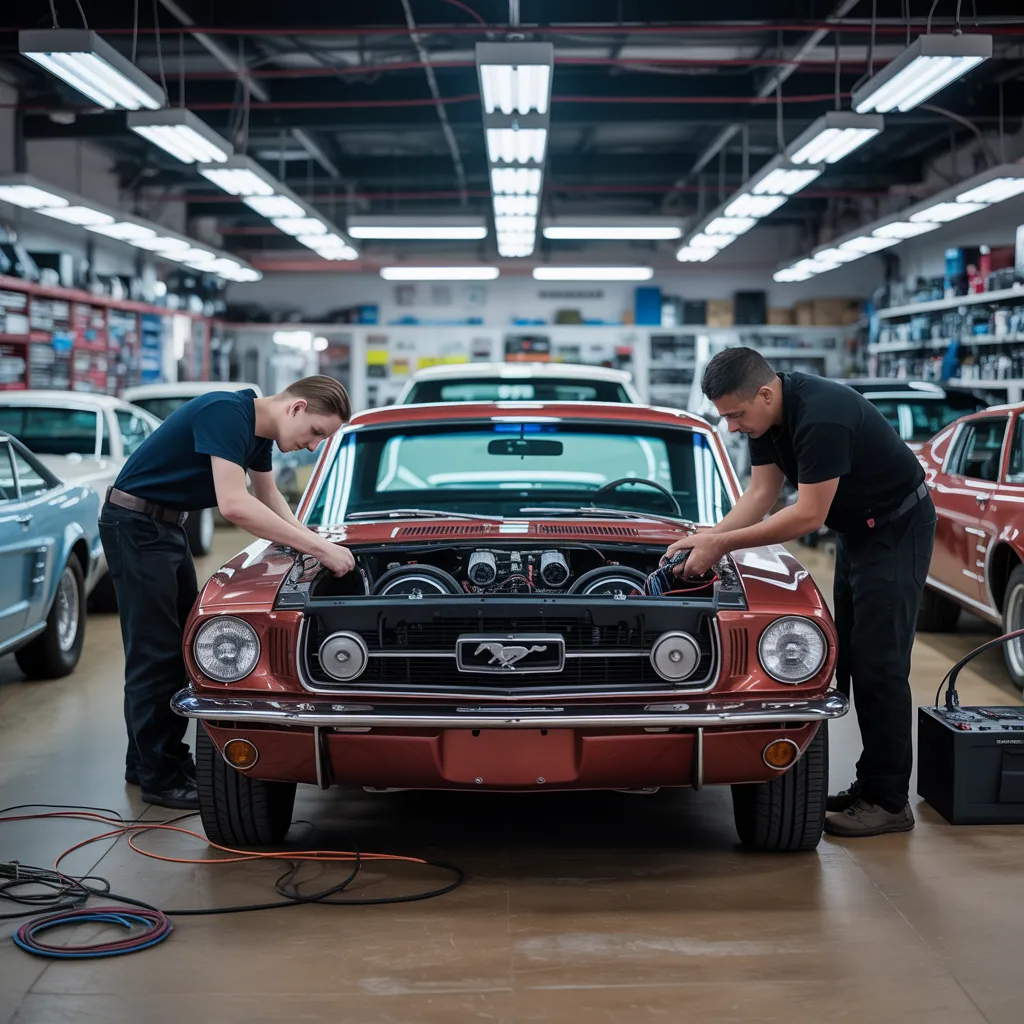
What Are the Benefits of Upgrading Your Car Stereo?
Upgrading a car stereo can considerably elevate the overall driving experience, as car owners often look for improved audio quality and contemporary features. Most drivers realize that factory-installed systems fall short of delivering the audio clarity and power they need. A replacement stereo ensures superior bass, treble, and sound balance, completely changing the in-car listening experience.
Additionally, modern car stereos come equipped with connectivity features such as Bluetooth, USB connections, and smartphone application support, facilitating seamless connectivity with personal devices. This enables users to access their favorite music, podcasts, and navigation tools effortlessly effortlessly.
Moreover, a new stereo can offer cutting-edge capabilities like touchscreen displays, customizable equalizers, and onboard navigation features, allowing drivers to obtain data during travel. As innovations continue to develop, upgrading a car stereo can also keep the vehicle up to date, confirming it stays consistent with next-generation audio technologies and formats. In summary, an enhanced car audio system substantially elevates the ride for both driver and passengers.
Finding the Perfect Car Stereo for Your Situation
Picking the right car stereo involves knowing personal preferences and individual requirements. Consumers should assess factors such as sound quality, connectivity options, and compatibility with their vehicle. Different models may provide multiple features, including Bluetooth capability for hands-free calling, USB ports for device charging, and support for streaming services.
Moreover, buyers need to consider the measurements of the car stereo to guarantee it matches their dashboard perfectly. Some individuals lean toward a touchscreen display for user-friendliness, while other users could prefer standard button controls.
Audio output is another essential consideration; individuals who prioritize audio quality should consider devices that offer increased wattage and enhanced equalization capabilities.
Ultimately, the budget is a key factor in the decision-making process. Through balancing performance, quality, and budget, shoppers can determine the car stereo that is most suitable for their requirements, enhancing their driving experience.
Important Tools for Successful Installation
Completing a car stereo installation successfully demands several key tools to ensure the job is done properly and efficiently. To begin, both Phillips and flathead screwdrivers are essential to remove and fasten the stereo unit in place. Wire strippers and crimpers facilitate the connection of wires, creating a secure and consistent electrical connection. A multimeter proves useful when checking voltage levels, while electrical tape and heat shrink tubing protect connections from wear and moisture.
In addition, a panel removal tool can protect the dashboard when accessing the stereo. Cable ties assist in managing and fastening wiring, which is vital for ensuring a neat setup. To conclude, having a socket set on hand can facilitate the process of removing bolts and screws. By preparing oneself with these tools, an technician can handle the process with more confidence and precision.
How to Install Your New Stereo in Easy Steps
Setting up a new car stereo necessitates a systematic approach to ensure success. To begin, it is necessary to collect the required equipment, followed by the careful disconnection of the old stereo. To complete the process, connecting the new unit properly will complete the fitting procedure.
Gather Necessary Tools First
When preparing for car stereo installation, it's essential to collect all the required tools to guarantee a smooth process. Essential items consist of a set of screwdrivers, usually including Phillips and flat-head types, to loosen the screws securing the stereo. A panel removal tool is critical for safely detaching dashboard panels without causing damage. Wiring tools and connectors will be required for correct wiring and secure connections. Additionally, a multimeter can be used to confirm that every electrical connection is working properly. It's also advisable to have electrical tape or zip ties on hand for managing wires in an orderly fashion. Finally, a flashlight can illuminate dark areas during installation. By assembling these tools beforehand, the installation process can be more efficient and organized.
Safely Remove Old Stereo
Cautiously detaching the old stereo is an essential step in the mounting process. Initially, the vehicle's battery should be disconnected to avoid electrical hazards or short circuits. After that, the taking off of any trim components surrounding the stereo is needed; this is typically done with a trim removal tool to minimize the risk of damage. Once the trim is off, screws or clips securing the stereo must be removed. With these fasteners taken out, slowly remove the stereo from its dashboard slot. It is critical to disconnect the wiring harness and antenna cable carefully, ensuring no wires are compromised in the process. After the old stereo is completely removed, it can be placed aside, making room for the new installation.
Hook Up New Stereo Properly
After removing the old stereo, focus turns to properly connecting the new unit. First, the installer should gather the necessary tools, such as wire strippers and connectors. They should then consult the new stereo's wiring diagram, which typically matches color-coded wires to the vehicle's harness. Proper wire connection is critical; as an example, red typically denotes power, while black signifies ground. Once the connections are made, they should be secured with connectors or soldered for durability. The installer should then slide the new stereo into its mounting bracket and confirm it is snugly fit. To conclude, reattach any panels that were removed during installation, carefully verifying all connections before turning on the new stereo to confirm it works properly.
Link Your Stereo: Wiring and Bluetooth Tips
Installing a car stereo involves learning critical electrical connections and mastering the wireless pairing process. Correct installation can improve sound quality, but individuals may experience common issues that require troubleshooting. The following section will deliver helpful tips to secure a reliable connection and superior performance.
Critical Wiring Connections
When fitting a car stereo, knowing the key wiring connections is essential for ensuring peak performance and full functionality. The main connections consist of power, ground, and speaker wires. The power wire, typically red, connects to the vehicle's battery, providing the necessary energy for operation. The ground wire, usually black, makes sure the stereo functions without interference. Speaker wires, often color-coded, connect to the speakers, delivering audio signals. Properly crimping or soldering these connections is important to prevent shorts or audio issues. Furthermore, using a wiring harness can streamline the installation process by offering a plug-and-play solution designed for the vehicle. Ensuring these connections are firm and properly configured will improve the overall listening experience and lifespan of the stereo system.
Bluetooth Connection Process
Once you have secured the needed wiring connections, the following step requires pairing the car stereo with a mobile device or other Bluetooth-capable device. First, the person must verify that Bluetooth is activated on the phone. Next, they should access the unit's Bluetooth options, typically located in the primary menu. The stereo will commonly list a selection of available devices. The individual identifies their device from this list. A pairing code may show up on both devices; confirming this code completes the bond. After pairing, the stereo usually facilitates audio streaming and hands-free phone calls. It is suggested to check the connection by playing a song or placing a call to confirm that call quality and features are satisfactory.
Resolving Frequent Problems
Troubleshooting common issues with car stereo installations necessitates an organized strategy to diagnose and solve problems efficiently. Initially, confirm that all wiring connections are firmly in place and accurately matched to the vehicle's wiring diagram. Loose or incorrect connections can lead to power failure or distorted sound. If the stereo fails to power on, check the fuse and the vehicle's battery. When experiencing Bluetooth connectivity difficulties, verify the device is in pairing mode and adequately close. Furthermore, ensure the stereo's firmware has been updated to the latest version. If sound quality is poor, inspect the speaker connections and settings. In conclusion, reviewing the user manual can supply detailed troubleshooting instructions specific to the stereo model, optimizing the installation experience.
Top 5 Installation Mistakes to Avoid
While car stereo installation might appear simple, numerous people unintentionally commit serious errors that may result in subpar performance or even harm to the car. One typical oversight is not disconnecting the battery, which can cause electrical shorts or shock. An additional misstep is neglecting to accurately match the stereo's power specifications and connections, causing unsatisfactory audio performance or total system breakdown.
Moreover, failing to use proper tools can cause stripped screws or harm to components. Overlooking compatibility with the vehicle's existing system is another pitfall; installing a stereo that isn't compatible can create fitting problems. Finally, improper placement of speakers can affect sound quality and acoustics. By sidestepping these five key mistakes, individuals can secure a more efficient installation process and relish improved audio performance in their vehicles.
Commonly Asked Questions
Can I Install a Car Stereo Without Professional Help?
Absolutely, a person can mount a car stereo without professional assistance. With the necessary tools, instructions, and a measure of dedication, many find success in finishing the installation on their own, enhancing their car's listening experience.
How Much Time Does a Car Stereo Installation Usually Take?
Installing a car stereo usually takes between one to four hours, based on the system's complexity and the vehicle's make and model. Factors like experience and tools available can also influence the duration.
What Are the Signs That It Is Time for a New Car Stereo?
Indicators suggesting it is time for a new car stereo include persistent sound distortion, failure to connect external devices, frequent Bluetooth issues, faulty control functions, and an outdated interface. These concerns tend to negatively impact the general enjoyment and quality of the driving experience.
Will Upgrading My Stereo Affect My Car's Warranty?
Changing a car stereo can have an effect on the vehicle's factory warranty, particularly if the setup causes damage or if particular elements are compromised. It's strongly suggested to refer to the warranty conditions or an authorized dealer for more learn the details information.
Can I Reuse My Old Speakers With a New Stereo?
Yes, old speakers can often be reused with a new stereo, provided they are compatible. However, evaluating their condition and ensuring they meet the new system's power and impedance requirements is essential for best performance.